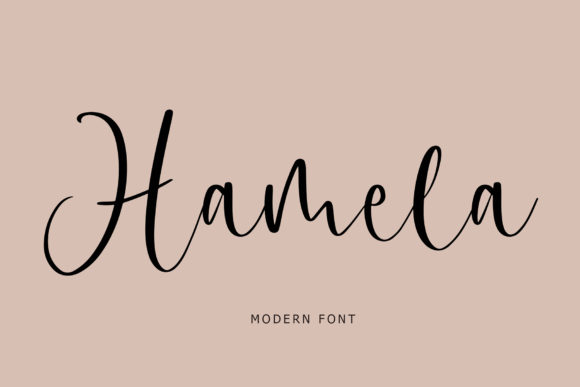
Hamela: A Joyful Handwritten Font
As a web designer, finding the right font can transform a layout from ordinary to extraordinary. Hamela, a relaxed and joyful handwritten font, offers a unique blend of personality and clarity that can elevate any digital project. Its expressive strokes and natural flow make it an ideal choice for designers seeking to add warmth and character to their work.
Hamela belongs to the Script Amp category of fonts, which are designed to bring a sense of movement and energy to digital typography. This font is particularly well-suited for creative projects where a personal touch is essential. Whether you're designing a landing page, a social media graphic, or a brand identity, Hamela adds a human element that resonates with users.
Using Hamela in Web Design
When used in website headers or hero sections, Hamela creates an immediate visual impact. Its fluid lines and organic shape make it perfect for titles that need to stand out without overwhelming the design. For example, on a creative portfolio site, using Hamela for the main heading can instantly convey a sense of artistry and individuality.
In call-to-action areas, Hamela can be used for short phrases like "Start Now" or "Join Us." Its readability at smaller sizes makes it suitable for buttons and navigation elements. However, it's important to pair it with a more neutral typeface for body text to maintain clarity and balance.
On online store banners, Hamela can be used to highlight special offers or new arrivals. Its playful nature complements product visuals and draws attention without being distracting. When paired with a simple sans serif font, it creates a clean and professional look that supports both aesthetics and usability.
Hamela and Visual Hierarchy
Visual hierarchy is crucial for guiding user attention and improving readability. Hamela excels as a display font that can be used for section headings, subheadings, or decorative accents. Its varying stroke weights and ligatures allow for dynamic typographic compositions that enhance the overall layout rhythm.
For blog headers or content sections, Hamela can be used to introduce key topics or emphasize important points. Its natural flow encourages scanning behavior, making it easier for users to navigate through content. However, it's best to avoid using it for long paragraphs, as it may reduce readability on mobile screens.
When designing for dark backgrounds or image overlays, Hamela retains its legibility due to its open letterforms and consistent spacing. This makes it a versatile choice for modern web layouts that prioritize contrast and visual interest.
Brand Identity and User Engagement
Brand tone plays a significant role in how users perceive a business or service. Hamela's friendly and approachable style aligns well with brands that want to communicate authenticity and creativity. It's particularly effective for coaching websites, boutique online stores, or SaaS platforms looking to build trust through a humanized design language.
For logo design, Hamela can be used to create a distinctive and memorable mark. Its handcrafted feel adds a personal touch that differentiates a brand from competitors. However, it's important to test it in various sizes and formats to ensure it remains legible and scalable.
User engagement is also influenced by the emotional response a font evokes. Hamela's warm and inviting personality can foster a positive connection with audiences, making it ideal for marketing campaigns, course sales pages, or community-driven platforms.
Font Pairing and Design Assets
Effective font pairing enhances the overall design while maintaining readability. Hamela works well when paired with a simple sans serif font for body copy, creating a balanced contrast between the decorative and functional elements. This combination is especially useful for editorial designs, packaging concepts, or digital brand kits.
If you're aiming for a more traditional aesthetic, pairing Hamela with a serif font can add depth and sophistication. This approach is ideal for blogs, magazine-style websites, or content-focused platforms that require a refined visual identity.
Before using Hamela in a project, check the available styles, file formats, and multilingual support. Ensure that the font includes alternates and weights that suit your design needs. Also, confirm that it's licensed for commercial use, especially if you're working on client projects, online stores, or digital templates.
Practical Tips for Digital Creators
When incorporating Hamela into responsive layouts, test it across different screen sizes to ensure it maintains its legibility and visual appeal. On small buttons or icons, keep the text concise to prevent overcrowding and maintain a clean interface.
For webfont availability, consider using a web-optimized version of Hamela to ensure fast loading times and cross-browser compatibility. This is especially important for performance-driven websites or e-commerce platforms where speed can impact user experience and conversion rates.
As a digital product creator, Hamela can be a valuable addition to your design assets. Whether you're building a landing page, a course platform, or a branded web experience, this font offers a unique way to express creativity while maintaining professionalism and clarity.